
Chevy’s 5.3L V8 sits at the center of a huge portion of GM truck and SUV history. Silverado, Sierra, Tahoe, Suburban, Yukon, Escalade, all of them have leaned heavily on some version of a 5.3.
That popularity creates a strange problem for owners and buyers. When someone says “the 5.3 has issues,” that statement is meaningless without context. Several different generations exist, and failure patterns vary sharply depending on design changes like Active Fuel Management and later Dynamic Fuel Management.
Today, we prepared a breakdown of the most common 5.3L engine problems that show up repeatedly in GM service documentation and dealership repair bays.
Every issue here ties back to documented diagnostic paths, known thresholds, and repeatable symptoms rather than internet rumors. All statistics, numbers, and technical thresholds are preserved exactly as documented in the source material you provided.
Identify Which 5.3L You Actually Have in 2 Minutes
Before diagnosing anything, engine identity matters. A 2005 5.3 and a 2021 5.3 share displacement, not behavior.
Most modern complaint patterns cluster around Gen V EcoTec3 engines, especially:
- RPO L83, commonly found in 2014 to 2020 full-size trucks and SUVs
- RPO L84, used in newer applications, including 2021 SUVs and late-model trucks
- RPO L82, appearing in certain 2019 to 2021 new-model trucks
GM bulletins repeatedly anchor diagnosis to those RPO codes.
Quick Confirmation Method
- Locate the Service Parts Identification label, usually inside the glovebox, door jamb area, or under the center console, depending on the platform.
- If a repair order, bulletin reference, or scan tool report lists L83 or L84, treat that as the starting point for diagnosis.
Guessing engine generation leads to wasted money fast.
Fast Triage Before You Buy Parts
Several quick checks can change the entire diagnostic path and prevent unnecessary parts replacement.
Run These First
- Scan for fault codes, especially P0300 random misfire, and review freeze-frame data.
- Confirm oil level correctly after adequate drain-back time.
- Verify the exact oil filter part number and confirm installation method.
Skipping any of those steps often sends owners chasing coils, plugs, or sensors that are not the root cause.
Quick Reference Summary
| Problem | Typical Symptoms | Fast Check | Fast Fix Path |
| AFM lifter collapse or stuck lifter | Tick, misfire, MIL, P0300 | Misfire plus valvetrain noise | Valvetrain inspection, replace lifter oil manifold and affected AFM lifters |
| Cold-start ticking | Tick on first morning start | Noise fades as oil pressure stabilizes | Confirm oil level and correct filter spec |
| Higher-than-expected oil consumption | Frequent top-offs | Compare usage to GM thresholds | Run documented oil consumption test |
| Valve carbon buildup | Intermittent misfire | Appears after mileage accumulation | GM decarbon procedure plus oil change |
| Radiator header coolant leaks | Coolant smell, visible leak | Inspect tube-to-header joints | Replace radiator and redesigned thermostat housing |
| Running hot with no leaks | Overheating | Thermostat, pump, hydrocarbons | Replace coolant manifold assembly if unresolved |
| Head casting porosity leaks | Coolant odor, loss | Pressure test head bolt boss area | Replace affected cylinder head |
| Wrong oil filter spec | Startup noise, wear risk | Verify bypass rating | Install correct filter per GM guidance |
1. AFM Lifter Collapse or a Lifter Stuck in the Bore
Among late-model 5.3L engines using Active Fuel Management hardware, lifter failure remains one of the most disruptive problems.
GM documents a clear pattern involving tick noise, misfires, MIL illumination, and repeated P0300 codes.
The documented causes include:
- Mechanically collapsed AFM lifters
- Lifters stuck in the bore
- Internal locking pin damage, including damage related to oil aeration
- Bent pushrods as a secondary effect
How It Shows up on the Road
- Rough idle that feels intermittent at first
- A tick that does not resemble harmless injector noise
- Misfires under load that gradually worsen
- P0300 returning after basic ignition checks
Fast Checks That Save Hours
GM directs technicians to inspect actual valve motion when tick noise and misfire coexist. Swapping coils or plugs without confirming valve movement wastes time and money.
If a valve fails to move, the documented correction path calls for:
- Replacement of the valve lifter oil manifold
- Replacement of the affected bank of AFM lifters
Reality of the Repair
“Fast” here means fast to confirm, not fast to complete. Labor time can be extensive, depending on vehicle layout. Early confirmation prevents cascading damage.
If Driving Cannot Stop Immediately
- Avoid towing and heavy loads.
- Maintain the correct oil level.
- Confirm oil filter specification and installation, because oil delivery issues contribute directly to lifter failure.
2. Cold-Start Ticking on First Morning Start
Not every tick signals imminent failure. GM documents a condition where ticking appears primarily during cold starts, especially first thing in the morning.
The cause centers on a lifter that lacks sufficient oil at startup and has not fully pumped up.
Fast Checks
- Confirm oil level using a consistent method.
- Allow proper drain-back time before checking level.
- Verify oil filter meets the required specifications for main gallery feedback oil pump systems.
GM explicitly warns against filters with bypass valve opening pressures of 15 psi (100 kPa) or less, citing risk of debris circulation and premature engine damage.
Fast Fix Path
If ticking fades quickly as oil pressure stabilizes, start with oil level accuracy and filter correctness before assuming mechanical failure.
3. Higher-Than-Expected Oil Consumption
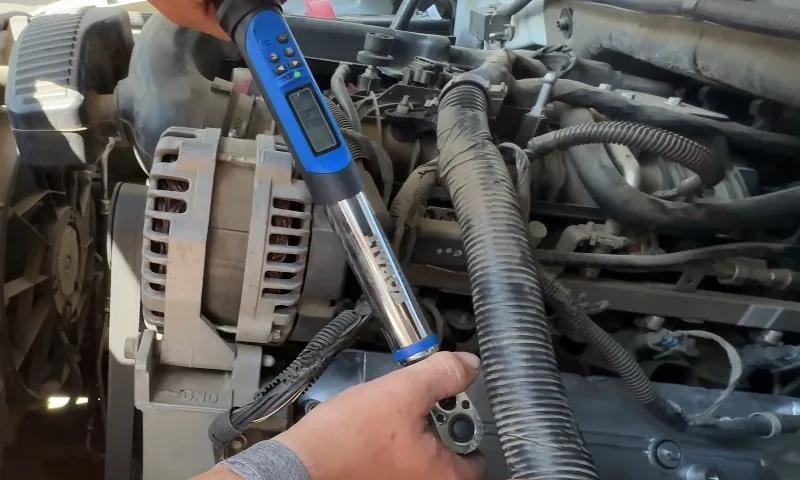
Oil consumption discussions around the 5.3 often spiral because expectations vary. GM removes ambiguity by defining measurable thresholds.
For Gen V engines, GM classifies excessive oil consumption as:
- 1 qt (0.946 liter) in 2,000 miles (3,218 km)
- 5 qts (1.4 liters) in 100 hours for fleet operation
Consumption beyond those numbers triggers a formal diagnostic process rather than guesswork.
Fast Checks
- Track mileage and exact top-off volume.
- Document idle time, towing usage, and service history.
- Follow proper oil level check timing, including waiting at least 15 minutes after shutdown in applicable test scenarios.
Fast Fix Path
Run the documented oil consumption test. If results exceed GM’s threshold, follow the service procedure instead of replacing random PCV components.
4. Valve Carbon Buildup and Sticking Valves
Direct injection introduced new strengths and new weaknesses. GM documents misfire complaints tied to carbon buildup on intake and or exhaust valves, often due to fuel contamination or incomplete combustion.
Misfires are linked to valve deposits frequently:
- Appear intermittently
- Resist traditional diagnostic steps
- Emerge after 5,000 miles (8,000 km) or more
How It Feels
- Rough running that comes and goes
- Misfires without a consistent dead cylinder
- Diagnostic results that feel inconsistent
Documented Fix Path
GM specifies an engine decarbon procedure using an upper engine cleaner, followed by:
- 5 hr labor operation for decarboning
- Mandatory oil and filter change afterward
Decarbon treatment here follows an official process, not a shortcut.
5. Coolant Smell and Radiator Header Leaks
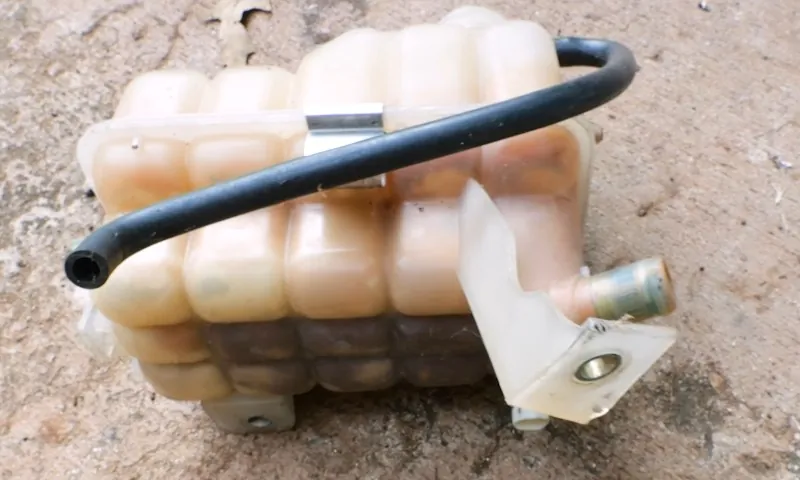
Coolant odor or visible leakage near the front of the vehicle often traces back to radiator header issues. GM documents leaks occurring where radiator tubes attach to headers, driven by excessive thermostat cycling and thermal stress.
GM guidance instructs:
- Inspection of radiator tube-to-header joints
- Replacement of the radiator
- Replacement of the redesigned thermostat housing
Replacing the radiator alone leaves the root cause intact.
Fast Checks
- Inspect header joints closely, not only hoses.
- Confirm thermostat housing replacement accompanies radiator repair when thermocycling is involved.
6. Running Hot or Overheating With No Visible Leaks
Another documented scenario involves vehicles with relatively low mileage that run hot or overheat without visible coolant loss.
GM’s stepwise diagnostic approach includes:
- Hydrocarbon testing of the cooling system
- Thermostat operation verification
- Water pump impeller inspection
If no isolated cause emerges, GM instructs replacement of the coolant manifold assembly, also described as the water pump housing.
Fast Fix Logic
Following the documented diagnostic ladder prevents unnecessary part replacement and missed internal failures.
7. Coolant Loss From Cylinder Head Porosity
@mexicanic85 99-2006 GM vehicles with 5.3 engine, if you are losing coolant and don’t have an external leak, remove the valve cover and inspect the cylinder heads for leaks. they are porous and leak coolant #gmc #dealership #mechanic #autorepair #automotive
Coolant odor and loss without obvious external leaks can originate from casting porosity near the outer head bolt boss area.
GM directs technicians to:
- Pressure test the cooling system
- Inspect the outer head bolt boss area closely
If porosity is confirmed, the documented correction is the replacement of the affected cylinder head.
Skipping targeted inspection often leads to repeated cooling system repairs without resolution.
8. Oil Filter Spec and Installation Errors That Create Real Risk
Modern 5.3 lubrication systems demand precision. GM bulletin guidance warns that incorrect oil filter bypass specifications can allow debris circulation and accelerate engine wear.
Key points include:
- Engines with main gallery feedback oil pump control systems require filters meeting specific bypass characteristics.
- Filters with bypass opening pressure of 15 psi (100 kPa) or less pose documented risk.
- Revised installation guidance calls for lubricating the gasket and tightening 1 full turn after gasket contact.
Fast Checks
- Verify filter part number compatibility.
- Inspect gasket seating and torque.
- Reinstall per GM guidance if seepage or loose installation appears.
Closing Thoughts
The 5.3L Chevy engine earned its reputation through durability across millions of trucks and SUVs, yet modern versions demand accurate diagnosis rather than assumptions. Most serious failures do not appear without warning. Patterns repeat, symptoms cluster, and GM’s own documentation outlines clear diagnostic paths when followed carefully.
Owners and buyers who focus on engine generation, oil system precision, and documented thresholds avoid most expensive surprises. When problems do appear, fast confirmation and disciplined repair paths matter far more than guessing.
Every issue outlined above ties directly to repeatable patterns and documented service logic rather than speculation.