
Car tuning and aftermarket modification play a major role in American automotive culture.
Performance upgrades, visual customization, and software tuning are common among enthusiasts who want more power, sharper handling, or a personalized look.
Legal limits, however, are complex and vary across the country.
Federal emissions rules interact with state inspection programs, safety standards, and noise regulations.
Mistakes can lead to failed inspections, fines, vehicle impoundment, or even criminal charges in serious cases.
Federal Legal Framework
Federal law sets the baseline for vehicle modification across the United States. Emissions compliance and safety equipment standards apply in every state, regardless of local inspection intensity.
State rules can add restrictions, but they cannot override national requirements tied to emissions and federally regulated equipment.
EPA and Emissions Control Laws
Environmental Protection Agency enforces national vehicle emissions standards under the Clean Air Act. Manufacturers must certify that vehicles meet federal emissions limits when sold.
Owners are required to maintain emissions systems in working order throughout the vehicle’s service life.
Any modification that removes, disables, or alters emissions-related components can qualify as illegal tampering.
Federal law protects specific systems that directly affect exhaust output and pollution control.
Examples include:
- Catalytic converters designed to reduce harmful gases
- Exhaust Gas Recirculation systems that lower combustion temperatures
- Diesel particulate filters that capture soot in diesel engines
- Oxygen sensors that monitor air-fuel ratios
- Onboard diagnostic systems that detect and report emissions faults
Passing a visual inspection does not make a modification compliant if emissions output increases.
Software changes are treated the same as physical parts. ECU calibrations that increase emissions output or disable emissions monitoring systems are considered defeat devices when used on public roads.
Defeat devices include any hardware or software that:
- Bypasses emissions controls under certain driving conditions
- Prevents diagnostic systems from detecting faults
- Clears readiness monitors without proper repair
Sale or installation of such devices for street vehicles is prohibited under federal law. Civil penalties can apply to manufacturers, installers, and in some cases vehicle owners.
Common Illegal Modifications
Certain modifications consistently trigger legal issues across multiple states. Most violations involve emissions systems, excessive noise, or compromised visibility.
Engine and Emissions
Removal of catalytic converters, EGR valves, diesel particulate filters, or related sensors is illegal under federal law and many state statutes. Tampering can occur through physical removal or electronic deactivation.
Disabling onboard diagnostic systems or clearing emissions codes to pass inspection also violates regulations. Actions that commonly result in citations include:
- Installing test pipes in place of catalytic converters
- Using delete kits for diesel emissions systems
- Reprogramming ECUs to suppress check engine lights
ECU tuning that causes a vehicle to fail emissions testing is treated as a legal violation in many jurisdictions. Increased horsepower does not justify increased emissions output under federal or state law.
Exhaust and Noise
Loud exhaust systems, muffler bypass setups, and straight-pipe configurations often exceed legal decibel limits. Many states define maximum sound levels measured at specific distances or engine speeds.
Enforcement may occur during roadside stops or through stationary noise monitoring efforts. Exceeding legal thresholds can result in:
- Monetary fines
- Mandatory equipment correction orders
- Failed annual inspections
Repeated violations may escalate penalties, especially in states with aggressive noise enforcement.
Lighting and Visibility
For professional and compliant window tint services, see Southern Tint & Detail Pros, a provider specializing in expert tint installations designed to balance style, UV protection, and visibility.
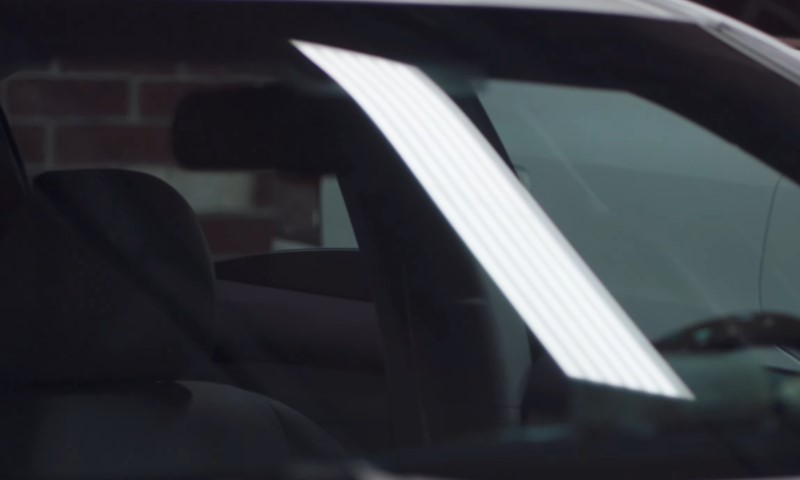
Light transmission limits differ by state, yet most require higher visibility for front side windows than rear glass.
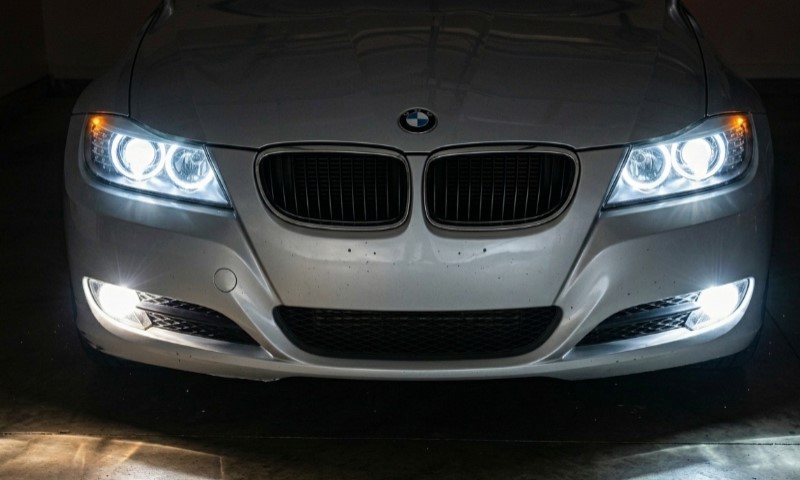
Non-DOT-approved headlights or taillights may fail inspection due to improper beam focus or insufficient brightness. Lighting that imitates emergency vehicle signals is prohibited in most jurisdictions and can trigger substantial penalties, including possible criminal charges.
CARB Requirements

California Air Resources Board enforces emissions standards that are stricter than federal rules. Aftermarket parts that affect emissions must undergo laboratory testing before approval for street use in California.
Any performance component or ECU tune that changes airflow, fuel delivery, ignition timing, or exhaust characteristics may require certification.
Compliance is verified through a CARB Executive Order number.
Executive Order certification confirms that testing has shown no increase in emissions compared to factory configuration.
States that follow CARB standards include jurisdictions that have adopted California’s stricter rules in place of federal minimums.
In those states, installation of a non-certified part can lead to immediate inspection failure. Consequences may include:
- Rejection during annual smog checks
- Mandatory correction and reinspection
- Fines tied to noncompliant equipment
Performance gains or smooth engine operation do not substitute for certification. Absence of a valid Executive Order number can make an otherwise mild modification illegal in strict states.
Federal Safety and Equipment Standards
Department of Transportation regulates safety-related vehicle equipment under federal motor vehicle safety standards.
Lighting systems, glazing materials, and impact structures must meet defined performance criteria.
Headlights and taillights must conform to approved beam patterns and brightness levels.
Replacement lighting that fails to meet DOT approval can create glare hazards or reduce visibility.
Window glazing must meet federal light transmission standards before additional state tint restrictions are considered.
Equipment categories protected under federal standards include:
- Exterior lighting assemblies
- Windshields and side windows
- Bumper structures designed for impact resistance
- Mirrors required for rearward visibility
Modifications that interfere with required safety equipment can violate both federal standards and state vehicle codes, even if emissions compliance remains intact.
State-by-State Regulation
View this post on Instagram
Federal law creates a nationwide baseline, yet day-to-day enforcement often depends on state policy. Inspection programs, roadside enforcement practices, and penalty structures differ widely.
Variability Across States
Each state enforces its own vehicle code alongside federal requirements. Emissions testing frequency, noise measurement methods, and equipment inspections vary significantly.
Some states conduct annual emissions testing in major metropolitan areas. Others limit testing to certain counties or eliminate it entirely for older vehicles. Safety inspections may be mandatory in one state and optional in another.
States with Especially Strict Laws
New York, California, Texas, New Jersey, and Arizona are frequently identified as strict jurisdictions for vehicle modifications. Enforcement often focuses on emissions compliance and noise violations.
New York is known for aggressive enforcement related to unauthorized modifications and excessive exhaust noise.
Police officers may issue repair orders requiring vehicles to be restored to a compliant condition.
Texas enforces measurable sound limits. Audio systems louder than 68 decibels measured within 15 feet can qualify as a misdemeanor.
Financial penalties may reach:
- Up to $1,000 for a first offense
- Up to $2,000 for repeat offenses
New Jersey prohibits muffler cut-outs and sound-amplifying modifications. Violations can result in fines up to $500 and potential jail time of up to 30 days.
Strict enforcement in these states means even minor exhaust changes can produce serious legal consequences.
Summary
Car tuning in the United States operates at the intersection of federal emissions requirements and state safety and equipment regulations.
Emissions compliance and public road safety represent the most significant legal boundaries.
Ignorance of applicable laws does not protect against penalties.
Responsible modification requires knowledge of local enforcement standards, awareness of how changes affect emissions and safety systems, and confirmation that parts or software meet applicable certification requirements.