


Transportation options have grown rapidly, especially with the emergence of ride-sharing services competing against traditional car rentals.
For people planning short trips, selecting the most cost-effective and flexible solution can make a notable difference in budget and convenience.
The purpose here is to compare both rideshare and car rental options to determine which provides better value for brief travel plans.
Cost Comparison on Short Trips
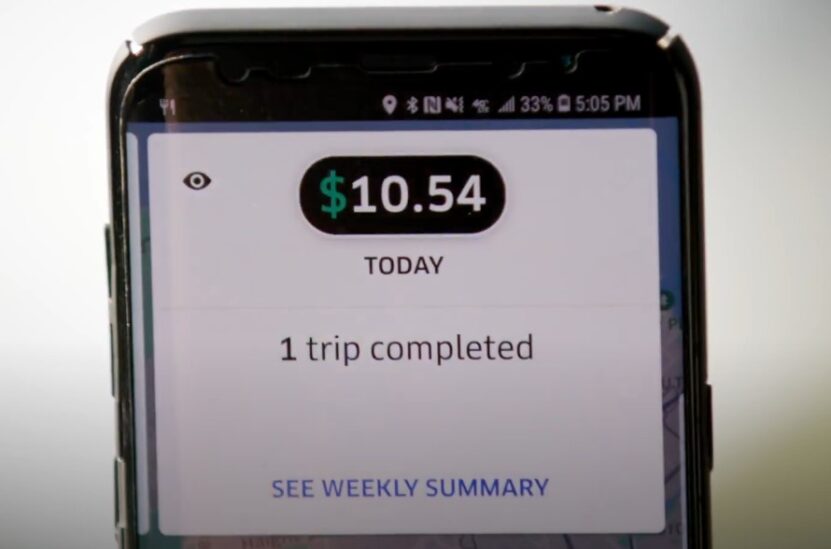
Rideshare services calculate pricing based on each individual trip. That model includes several dynamic factors such as distance traveled, time spent in traffic, and time of day.
While base rates might appear low, surge pricing can quickly raise the total fare, especially during rush hours, holidays, or severe weather.
For travelers making just one or two trips across town, this pricing model often stays within budget and avoids additional costs.
Key cost elements of rideshare:
- Fare based on real-time demand
- Priced per ride (no flat daily rates)
- No need to pay for parking, fuel, or insurance
- Unexpected price hikes during peak hours
Car rentals, on the other hand, operate using a fixed daily rate regardless of how many miles or minutes are spent driving. That structure can be costly for a person intending to take only one short trip during the day.
Add-on expenses such as fuel, required insurance, tolls, and city parking fees can further inflate the cost.
Cost considerations of car rental:
- Full-day base price, even for brief use
- Insurance coverage often mandatory or strongly recommended
- Fuel and parking not included in the rate
- Penalties possible for late returns or early drop-offs
However, once multiple trips or stops are factored into the day’s itinerary, that same rental begins to offer better value.
Flexibility & Convenience

Rideshare platforms remove some of the most frustrating parts of city travel. No need to search for parking. No stress about navigating traffic in unfamiliar streets.
No worries about rental paperwork or insurance clauses.
For those who simply want to go from one point to another and move on with their day, ridesharing can be a hassle-free experience.
- On-demand pickup through mobile apps
- No responsibility for driving or parking
- No car maintenance or fuel refills needed
- Easily cancellable or adjustable
Car rentals offer a different type of flexibility, one based on spontaneity and independence.
Travelers who want to stop at multiple locations, stay longer somewhere without time pressure, or take detours without rebooking anything will benefit from the freedom that comes with having full access to a vehicle.
- Drive wherever and whenever without coordinating with a driver
- Make last-minute changes to your route or plans
- Avoid delays caused by waiting for driver availability
- Useful when planning more than just A-to-B transport
Rideshare helps with quick, structured trips. For loose itineraries and on-the-go adjustments, car rentals provide far greater autonomy.
Privacy, Comfort, and Luggage
Rideshare services involve riding with someone else in control of the vehicle. While this suits many users, it reduces the level of personal comfort and privacy.
Conversations with the driver or other passengers (in shared rides) may not suit those seeking peace and quiet.
Riders traveling in pairs or with bulky luggage may also face limitations based on vehicle size.
- Minimal luggage capacity in compact cars
- Lack of privacy or control over in-car environment
- Unsuitable for large groups or families
- Dependent on what vehicle type is available nearby
Car rentals solve these problems by giving users the power to choose a specific type of vehicle.
- Full privacy inside your own vehicle
- Ability to carry larger bags or multiple suitcases
- Suitable for families or group outings
- Comfort settings and vehicle features personalized to taste
Those traveling with others or transporting more than a backpack will find rental vehicles far more suitable for their comfort and luggage needs.
Geographic and Availability Factors
Rideshare thrives in urban zones, where vehicles are always just a few minutes away. Downtown cores, airports, and tourist hotspots typically see high rideshare availability, making it the faster choice.
Outside metro zones, rideshare access becomes unreliable or even unavailable. In suburban or rural regions, waiting times can be excessive, or service might not exist at all. In these locations, having a rental car ensures freedom of movement and reliable transportation without relying on sporadic driver coverage.
For those in metropolitan areas like Sydney, Car Share Sydney options such as KINTO provide a hybrid alternative, combining the convenience of ridesharing with the flexibility of short-term rentals.
These services allow users to book vehicles on-demand through a mobile app, access them from designated on-street spots, and enjoy 24/7 usage without the traditional rental process.
Additional Cost and Time Factors
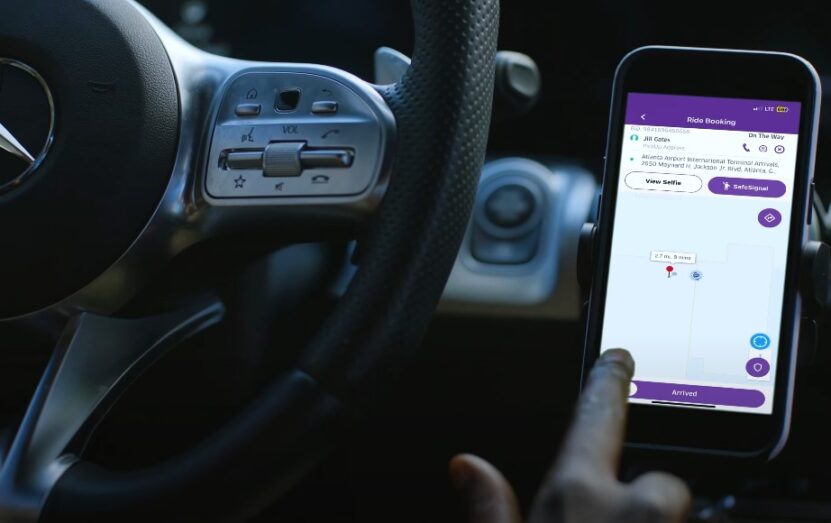
Rideshare pricing changes by the hour. Peak demand periods, such as after sporting events or during rush hour, can cause prices to triple or quadruple.
Bad weather and driver shortages further inflate costs. Additionally, riders may experience long wait times during these busy windows, creating uncertainty for time-sensitive plans.
Unpredictable aspects of rideshare:
- Surge pricing triggered by high demand
- Wait times influenced by driver availability
- Risk of canceled or delayed pickups
- No guarantees for vehicle size or features
Car rentals usually come with upfront, predictable pricing. Costs remain steady regardless of time of day, and drivers know what they’re paying before they ever leave the lot.
That said, using a rental involves time investment: picking up the car, inspecting it, signing agreements, finding parking, and dropping it off.
Rental costs and time factors to plan for:
- Standardized pricing based on rental period
- Administrative steps before and after use
- Potential overage fees for late returns or fuel shortages
- Parking requirements during trips or overnight stays
Final Verdict: Which Saves More on Short Trips?
Single riders or couples planning only one or two trips within city limits will usually benefit more from using rideshare services. Lower costs, minimal commitment, and ease of access support its value.
Travelers intending to make multiple stops, explore different parts of town, or stick to a personal schedule may find car rentals more practical. Day-long flexibility, space for luggage, and freedom to reroute at will add value that offset upfront expenses.
Final choice depends on number of stops, group size, location, and timing needs. When all factors are considered, the better option varies by situation, not just by price tag.