
Handing the keys over to a truck driver is definitely not the same as dropping your car at a valet. You are putting a heavy vehicle onto an even heavier piece of industrial equipment that will literally bounce down the highway for a few thousand miles. A lot of people think prepping the car is just about making it look nice for the trip or trying to keep it out of the weather. That is completely backwards..
Most people assume the driver just turns the key, drives it up, and drives away. But the reality of auto transport is a lot more complicated than that. You have to prepare the vehicle for a journey that involves tight spaces, constant highway vibration, and strict legal limits.
Preparing your car is actually about surviving the DOT rules, the highway weigh stations and the physical reality of how trucking works in the real world. If you just hand over the keys without setting the vehicle up for the actual journey, you are basically asking for delays or weird extra charges. The whole system runs on tight schedules and heavy duty logistics. It is not built around convenience.
Why Washing Your Car Is Not About Being Clean
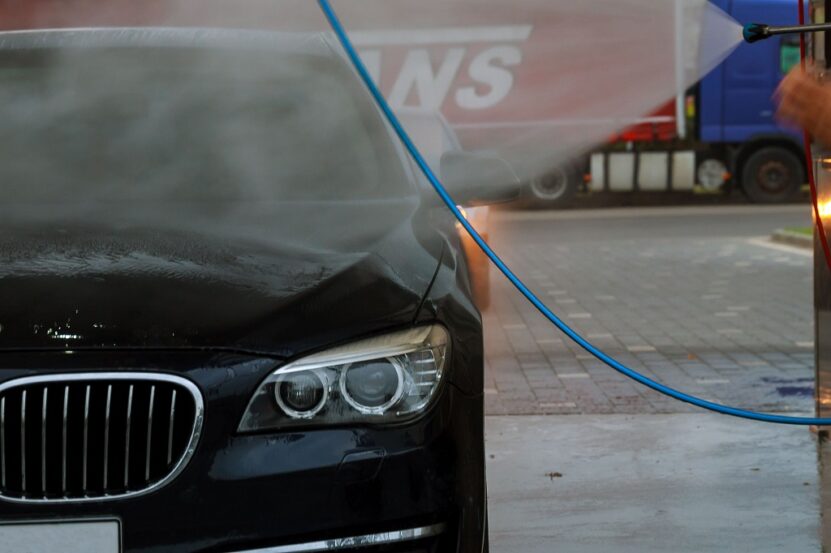
It seems completely backwards to wash a car right before it gets loaded onto a trailer where it will just get covered in road dust anyway. Most people figure they will just wash it when it arrives.. But washing it before shipping has absolutely nothing to do with keeping it clean.
Its actually about the paperwork.
Before a driver puts your BMW on the loading ramps, they have to do a visual inspection and fill out a condition report. The driver will walk around the car with a clipboard or an app. They will mark down every single rock chip, dent, and scratch they can find. This piece of paper is the only thing that proves what the car looked like before the trip started. If your car is covered in a layer of pollen or rain spots the driver cannot see the actual clear coat underneath.
Because they have to protect their own liability they will simply mark the car as dirty on the official transport log. If the car arrives with a huge new scratch on the door and the original paperwork says the car was dirty, you have zero leverage. The insurance company will just say the scratch was already there hiding under the dirt. So you wash the car just to force a clean accurate inspection report. It protects your money and keeps everyone completely honest.
The Hidden Problem With A Full Gas Tank
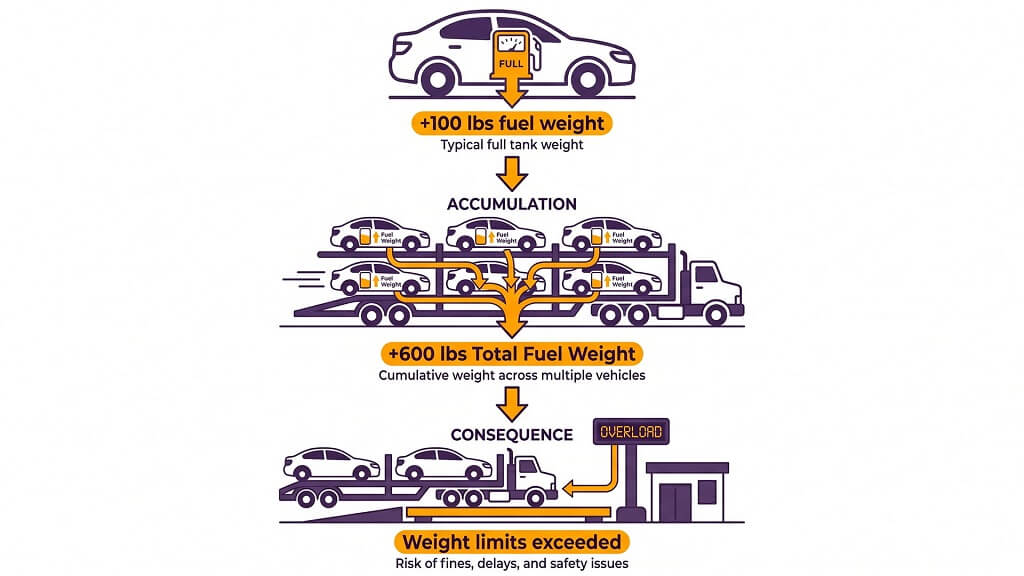
A very common assumption is that you should fill up your gas tank so the car is ready to hit the road as soon as it gets delivered. It feels like a smart move. But in the freight world extra fuel is a major problem for the driver.
Trucks run under very strict federal weight limits. Every single pound on that trailer is accounted for before they even hit the highway. Gasoline weighs about six pounds per gallon. If you fill up a big gas tank you just added over a hundred pounds of heavy liquid weight to the car. Now imagine if all nine cars on that trailer did the exact same thing. That is an extra thousand pounds of weight that the driver did not plan for when building the route.
When trucks hit highway weigh stations heavy trailers trigger fines and deep inspections. Drivers cannot just ignore weight limits. If the scale says they are too heavy, they get pulled around to the back of the weigh station and they sit there until the problem is fixed. If a driver realizes your car is the reason they are overweight, they will literally siphon the gas out or just refuse to load it until the tank is mostly empty.
Plus a full tank creates a sloshing effect when the trailer hits bumps, which constantly pulls against the safety straps. Keeping the tank at a quarter full is really the only way to avoid weight issues and keep the transport timeline moving safely.
Why Your Toll Tags Will Cost You Double
People always forget to take their electronic toll tags out of the windshield. You figure the car is turned off and sitting up high on a trailer, so the tag wont matter. That is just not how the sensors actually work in real life.
Highway toll cameras do not care if your car is driving itself or riding on the back of a truck. The sensors just read the little plastic box in the window. When the massive car carrier rolls through a toll booth, the cameras scan the big truck, but they also scan your BMW sitting up on the top deck.
Because the automated toll system sees your tag moving at highway speeds it charges your account. It sounds like a rare mistake, but it happens all the time on the east coast or anywhere with electronic tolling. But here is the real kicker.. Sometimes the computer system gets confused by the massive size of the truck and charges your account the commercial rate for a semi truck instead of a normal passenger car.
You end up paying fifty dollars for a bridge toll in a state you dont even live in. Removing the tag entirely or putting it in a foil bag is the only way to stop the automated systems from draining your bank account while the car just sits parked on the trailer.
How The Car Stance Changes The Whole Trip
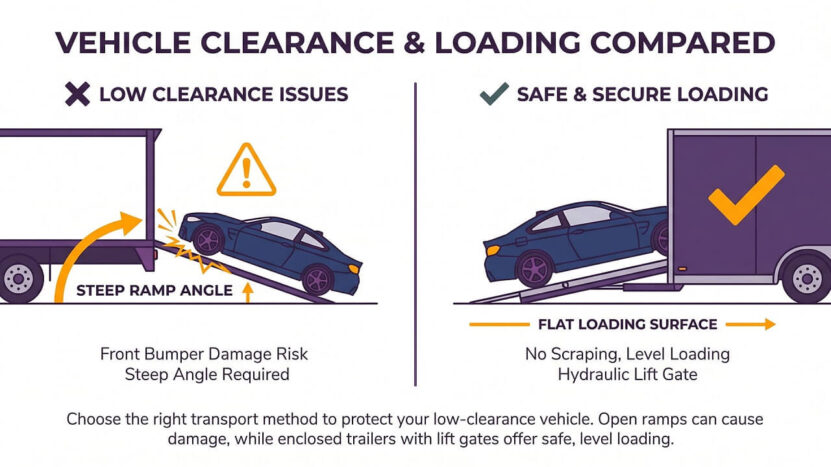
Everyone thinks a car is just a car when it comes to loading. A sedan takes up one spot, an SUV takes up another spot. But if you have an M series or a BMW with a sport package, the physical shape of the car changes the entire logistics plan.
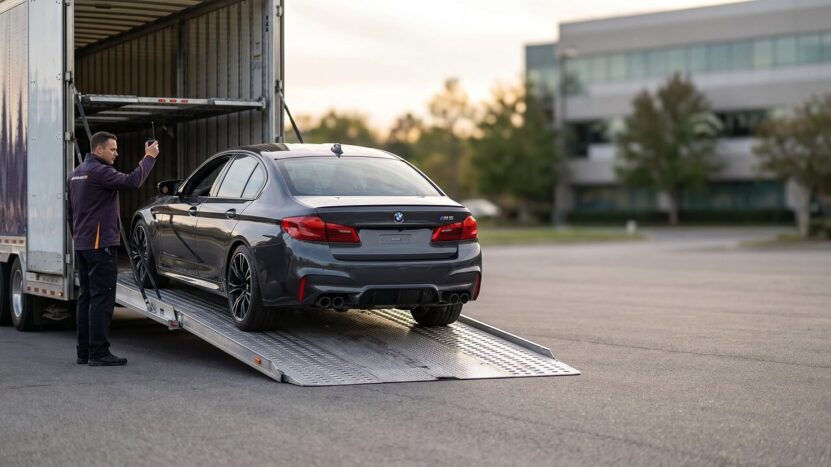
Sport models sit much lower to the ground. The front bumpers are closer to the pavement and the suspension is a lot tighter. Standard open car transport trailers are designed to move regular sedans and minivans. The angles on their loading ramps are steep because they have to fit as many cars as possible. When you try to drive a low clearance car up a steep ramp, the front bumper will scrape the metal before the front wheels even touch the incline.
Drivers know this. And if they pull up to your house and see a lowered car they were not expecting, they will simply refuse the load. They cannot risk tearing off the expensive front bumper. This is why booking enclosed car transport is usually required for sport models. Those specialized trailers have hydraulic lift gates that stay perfectly flat on the ground. It costs more money, but the driver does not have to worry about the angle of the ramps at all. It changes the entire timeline and cost of the move just based on a few inches of ground clearance.
What Actually Happens If You Pack The Trunk
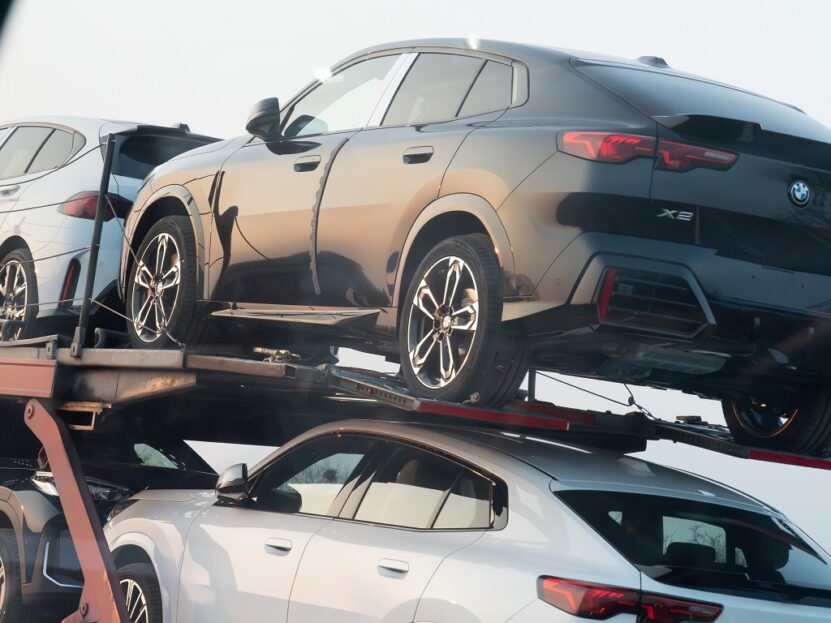
Moving houses is stressful, so people naturally try to pack some heavy boxes into the trunk of the car. The logic is that the car has empty space inside, so you might as well use it to save room in the moving truck.
The reality is that auto carriers are legally not allowed to transport household goods. They are strictly licensed to move vehicles, not random freight. When a driver gets pulled over for a random federal DOT inspection on the highway the officers look inside the cars on the trailer. If they see boxes of clothes or kitchen appliances stuffed into a vehicle they can fine the driver heavily.
But even if they do not get caught at a weigh station, the extra weight ruins the trip. Cars are strapped down tight by the tires, but the actual body of the car still bounces on the suspension during the ride. If you put two hundred pounds of heavy boxes in the trunk, that extra weight slams down on the rear shocks every single time the truck hits a pothole. It wears out the suspension before the car even gets to the new house.
Plus moving companies insure your household goods, but auto transporters only insure the vehicle itself. If someone breaks into the car while it is parked at a truck stop overnight and steals your boxes, the auto carrier insurance will not cover a single penny of it. They only cover the metal of the car.
Why Alarms Need To Be Completely Disabled
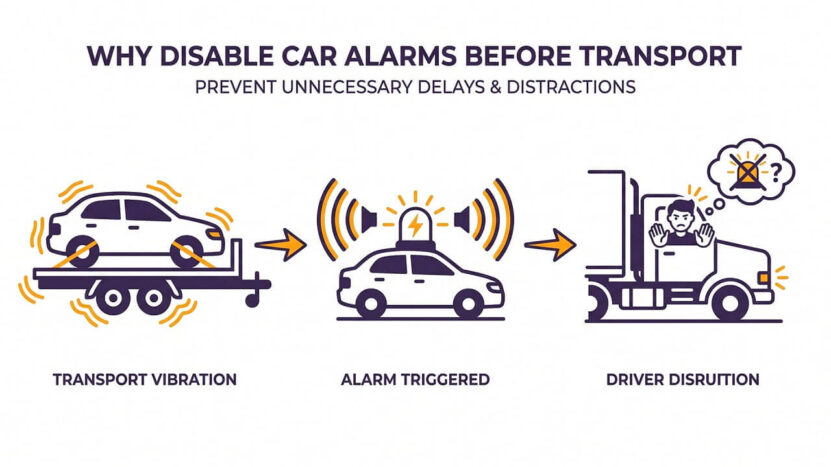
Modern cars have highly sensitive security systems. You probably think locking the doors and leaving the alarm on is the safest thing to do while it travels across the country.
But you have to remember what the car is actually doing. It is sitting on a metal platform that vibrates hard for ten hours a day. Every time the truck driver hits a rumble strip or shifts heavy gears on a hill, the whole trailer shakes. That shaking easily triggers sensitive car alarms.
If your alarm goes off while the truck is flying down the interstate, the driver cant just pull over immediately to deal with it. They have to find a safe exit, park a massive 80 foot rig, climb up the side of the metal trailer and figure out how to unlock your car to turn it off.
Truck drivers are heavily regulated on how much sleep they need to get. They park in noisy truck stops, but a blaring car alarm right behind their sleeper cab is impossible to ignore. If it happens at night while the driver is trying to sleep in the cabin, they will literally wake up, unlock your car, and disconnect the battery entirely just to get some peace. Disabling the alarm before handing over the keys is the only way to ensure the driver stays on schedule without losing their mind.
Conclusion
Getting a car ready for shipping is really just about making it fit into a heavy duty freight system. It is not about making it look nice or treating it like a passenger on a road trip. When you set the vehicle up correctly it moves through the network without causing issues for the driver or drawing attention from the highway scales. It is just a machine moving another machine. Once you look at it from the driver’s perspective, the rules make perfect sense.